
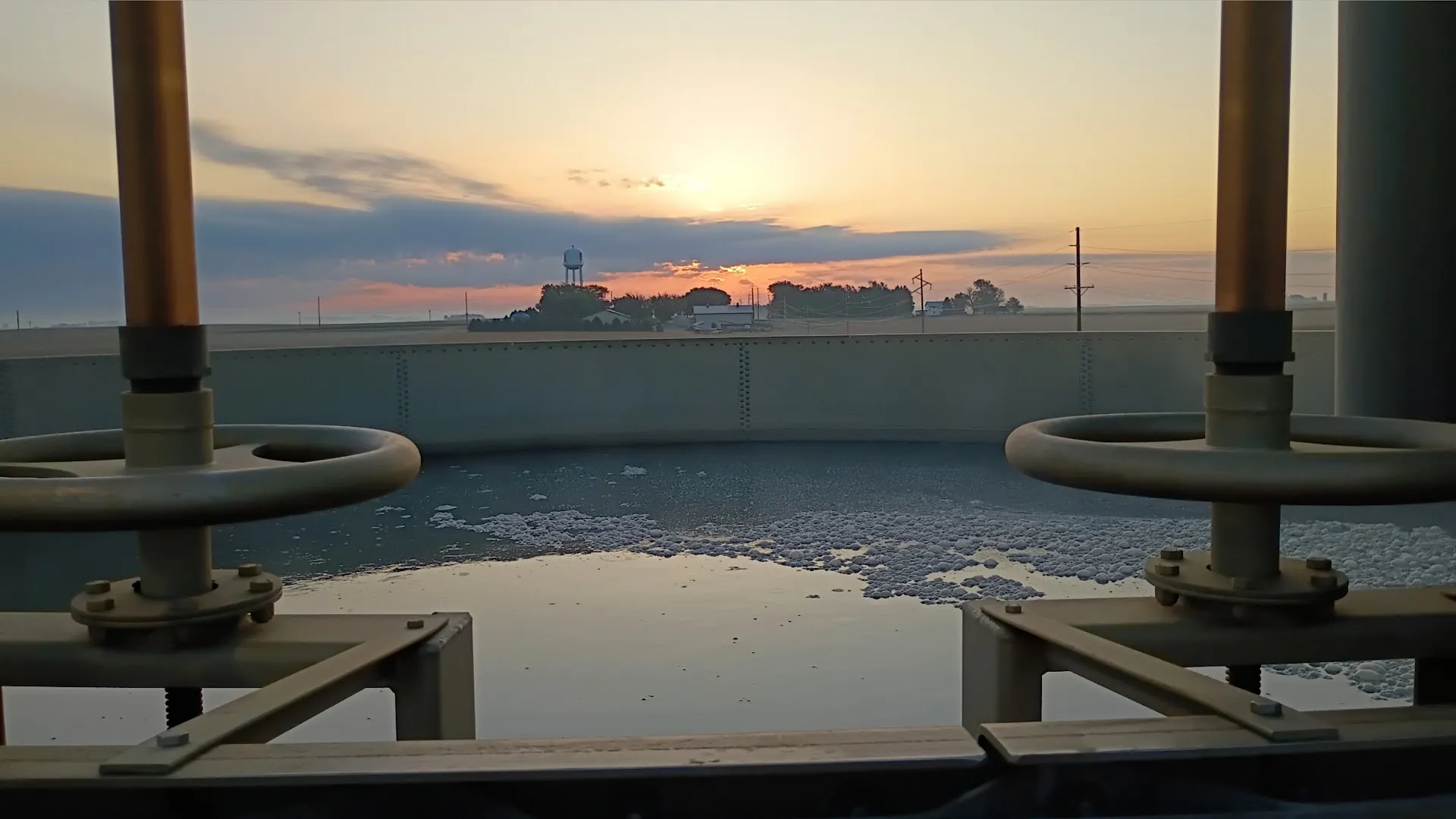
USRE300 · lanthanum/cerium chloride
Rare earth coagulant. $0.57/lb. Buy it here.
The nation's one-stop shop for rare earth coagulants. Published pricing, no sales runaround, ships anywhere in the US.
No BS
Published price. No minimums beyond one drum. No quote games. Ships in 2 weeks or less, anywhere in the US. Freight quoted at cost and added to your invoice. Price match on comparable rare earth quotes.
Price
$0.57/lb plus freight. Package totals below. Freight is not included.
| Package | Net product weight | List price | Order |
|---|---|---|---|
| 55-gallon drum | 682 lb | $388.74682 lb × $0.57/lb | |
| 275-gallon IBC tote | 3,410 lb | $1,943.703,410 lb × $0.57/lb | |
| 330-gallon IBC tote | 4,092 lb | $2,332.444,092 lb × $0.57/lb | |
| Bulk tanker | Enter gallons or pounds | $0.57/lb plus freightGallons convert at 12.4 lb/gal. Freight quoted at cost and added to your invoice. |
Add one drum, a tote, or a tanker. Checkout takes a purchase order or a Net 30 invoice. No cards. Freight quoted at cost and added to your invoice. Freight quotes available. Calculate your freight.
Volume discounts available. Request a quote.
One-stop shop
Supply, packaging, shipping, and support in one place
Rare earth coagulant
USRE300, a blended lanthanum/cerium chloride solution.
Every package
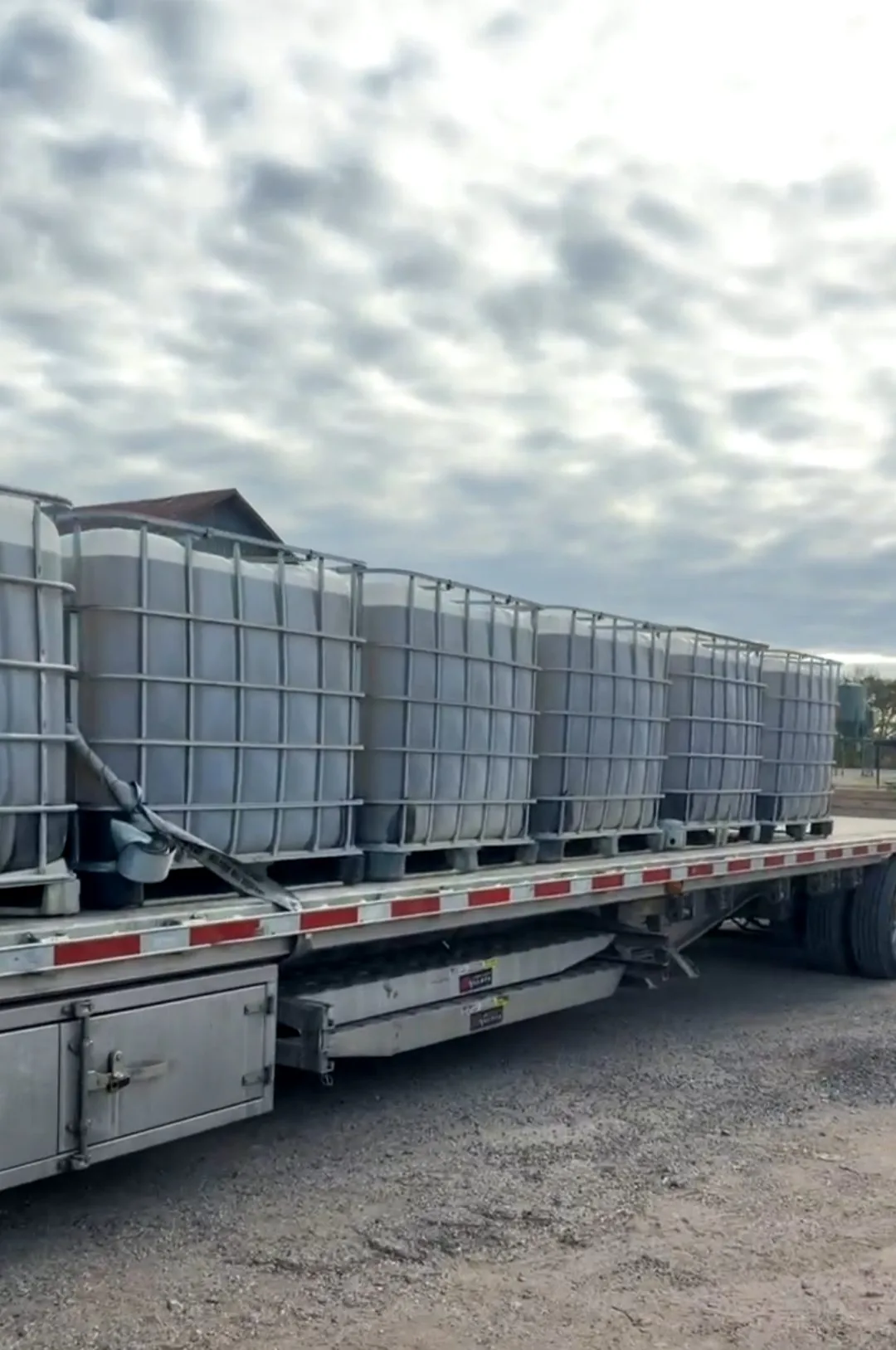
55-gallon drums, 275- and 330-gallon IBC totes, and bulk tankers.
US shipping
Ships anywhere in the US. Freight quoted at cost and added to your invoice.
Private label
Your brand and product name, with GHS labeling and an SDS prepared for your review.
Jar tests and trials
Technical support for jar testing and plant trials.
SDS, TDS, and specs
Safety data sheet, technical data sheet, and the published specification.
Price match
We'll meet or beat a comparable rare earth coagulant quote.
Cost per pound of phosphorus
Send your current quote and usage and we'll run the comparison.
Resale
Resellers welcome.
Buy at the published price, resell under your name or ours. Private label, blind drop-ship, SDS under your brand. Volume discounts available. Request a quote.
Technical data
USRE300
Rare earth chloride coagulant (blended lanthanum/cerium chloride solution)
- List price
- $0.57/lb plus freight
- Freight
- Freight quoted at cost and added to your invoice.
- Shipping
- Anywhere in the US
- pH
- 3.0 to 4.5
- Density
- 1.49 g/mL (12.4 lb/gal)
- TREO
- >24.7 wt%; >390 g/L; >3.25 lb/gal
- RECl3
- >35.4 wt%; >558 g/L; >4.66 lb/gal
Price match
We'll meet or beat any comparable rare earth coagulant quote.
Comparable means a written quote for a lanthanum and/or cerium chloride coagulant of equal or higher rare earth content, same package size and quantity, on a delivered basis to a US location. Send the quote with your request; we'll confirm within one business day.
Ferric and alum cost less per pound of chemical and take far more product. Compare on cost per pound of phosphorus removed, plus sludge handling. List price remains $0.57/lb plus freight.
Private label
Your brand on USRE300
Chemical distributors, water treatment service companies, and consultants can sell this rare earth coagulant under their own name. We support your label and product name, prepare GHS labeling and an SDS for your review, and ship anywhere in the US to you or your customer.
Discuss a private label program- Label
- Your brand name and label on the product.
- Packages
- Drums, 275- and 330-gallon totes, and bulk tanker.
- Shipping
- Direct to you or your customer. Blind and drop shipping available.
- Pricing
- Volume pricing on request.
Ships anywhere in the US
Ships anywhere in the US. We ship to any US state by drum, tote, or bulk tanker. Freight quoted at cost and added to your invoice. Checkout does not charge freight.
Phosphorus removal
Municipal effluent limits and industrial pretreatment or surcharge limits.
Less chemical sludge
Lower dose volume than ferric chloride or alum, measured in a trial.
Solids and reuse
Stable phosphate binding can support cleaner solids. Check your regulator.
Plant trial
Jar test, then a defined trial: phosphorus, sludge, polymer, press, and hauling.
Who the chemical is for
Municipal plants and industrial dischargers with a phosphorus limit. Same chemical. Different permits.
Municipal
Treatment plants and utilities
Operators, superintendents, utility directors, and consulting engineers holding an effluent phosphorus limit. Jar testing, then a plant trial, against the iron or aluminum salt you feed now.
Municipal results
Industrial
Pretreatment and direct discharge
Plant, EHS, and environmental managers with a phosphorus or phosphate limit, or a POTW surcharge. Food plants, ethanol, fertilizer, metal finishing, pulp and paper, and similar process wastewater.
Industrial wastewater
Sludge reduction
The bigger value is not just phosphorus removal. It is less solids through the whole plant.
From the same independent municipal evaluation already on this site. Not a USRE300 test, and not an industrial trial. Site-specific results vary; jar testing recommended.
~800 dry tons
Less chemical sludge in one season
~50% less chemical
Total phosphorus-removal chemical, per the evaluation summary
139,193 gal
Fewer gallons of coagulant
70.3% to 75.4%
Volatile fraction of mixed liquor. More active biomass, less inert chemical solids
March–October ferric chloride season versus the following March–October with lanthanum chloride in the mix. Bar length is gallons, not dollars.
Keep digesters online
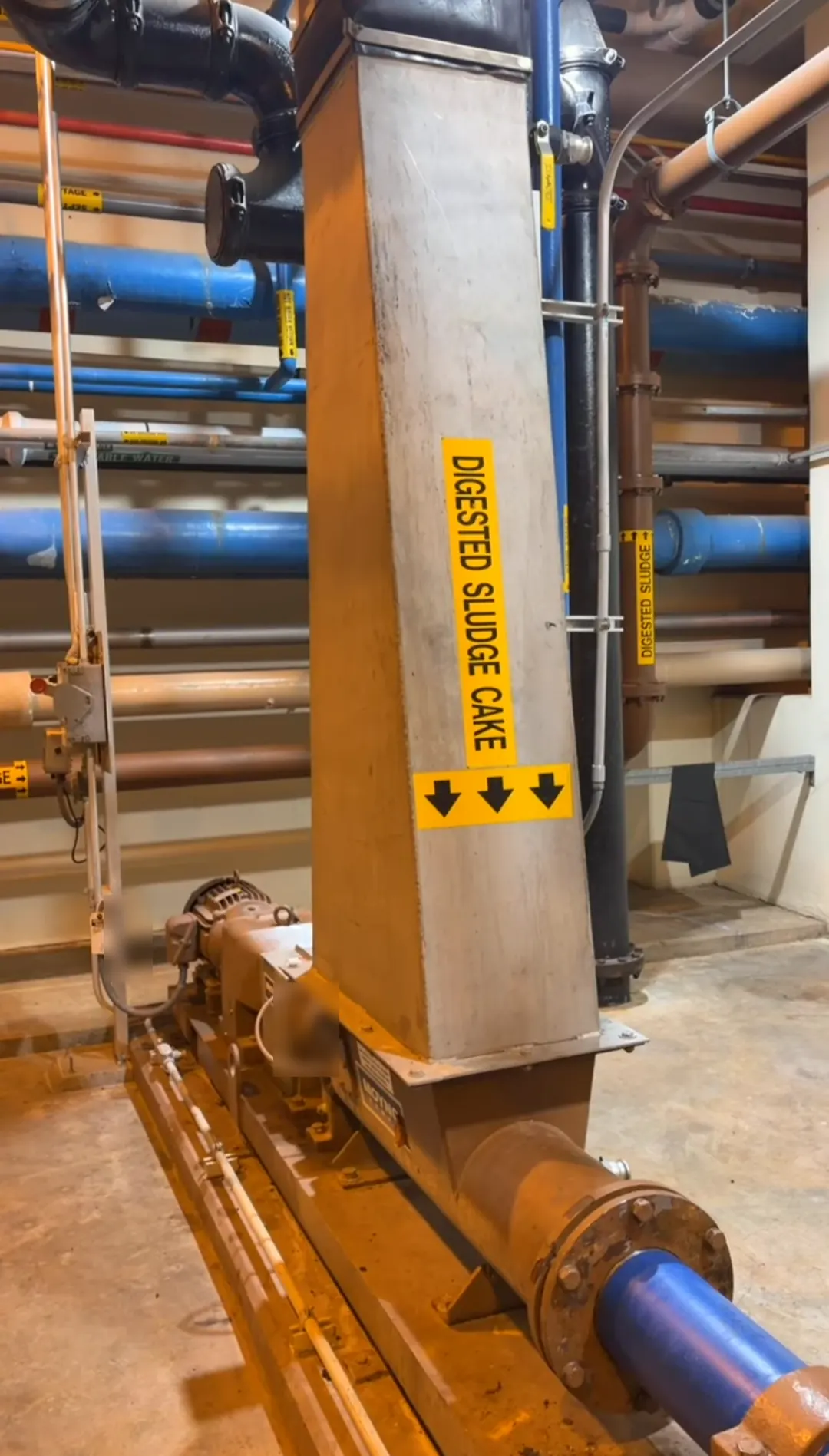
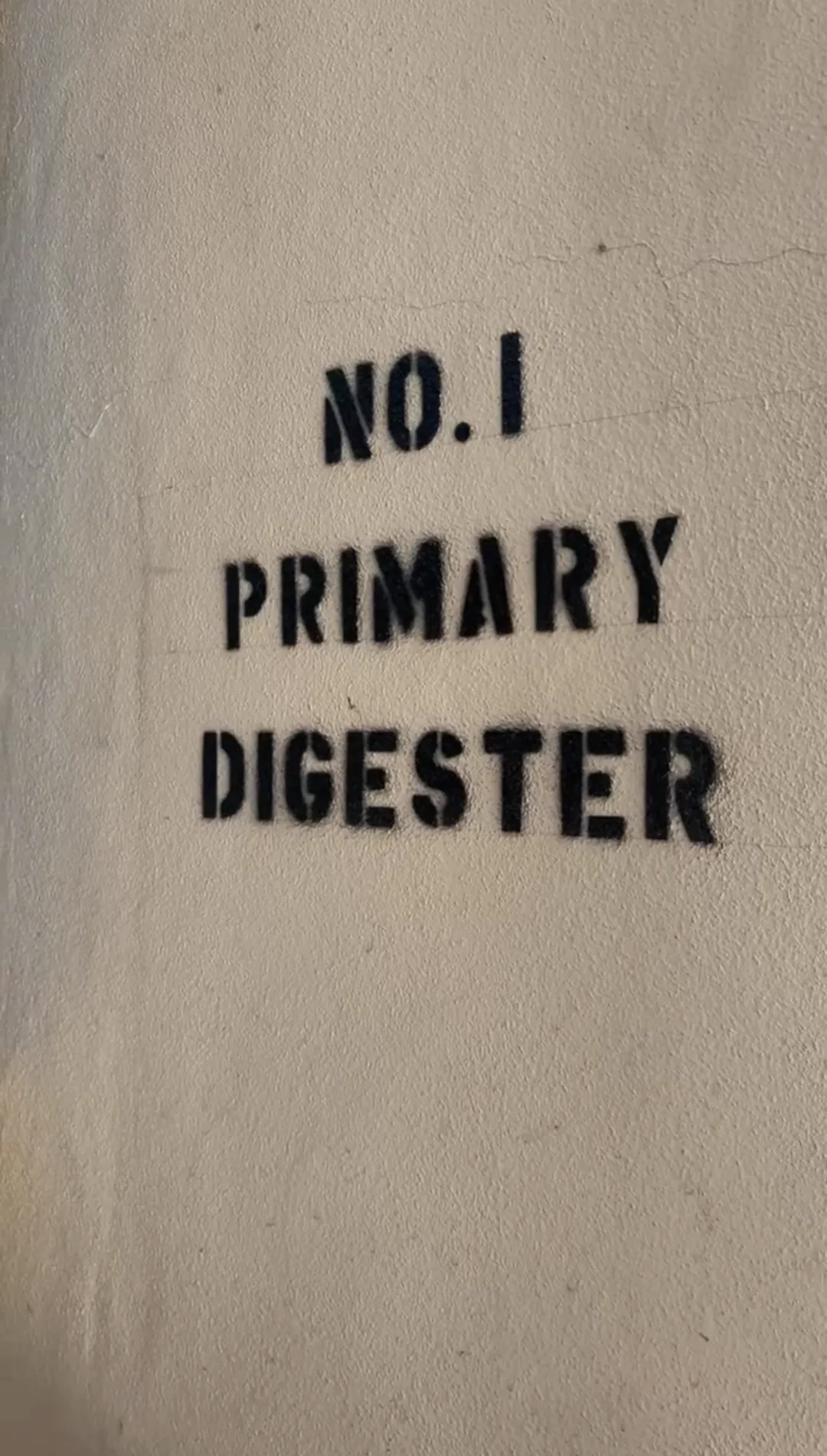
No vivianite scale in the digesters during that municipal trial. Ferric chloride and phosphate can form vivianite. Before the change, that plant had taken a digester offline for as long as six months in two of every three years.
- The IFAS lab evaluation expected denser sludge and drier biosolids. Less sludge usually means less hauling, less dewatering polymer, and lower disposal and landfill tipping cost. This site does not publish dollar figures for those savings.
Aluminum salts and the solids loop
Many sites run a domestic biological plant and an industrial plant side by side. One may dewater on a belt press and the other on a screw press, and the two sludges need different conditioning. With sodium aluminate or alum, raising the feed to chase a phosphorus limit produces more aluminum phosphate and hydroxide solids. That can mean more sludge, a larger solids inventory, more load on the presses, more polymer, more filtrate and pressate back to the head of the plant, and higher hauling cost. Operators often see effluent total suspended solids go up. Solids held under low dissolved oxygen, or in anaerobic conditions, can release stored phosphorus and raise coagulant demand again.
What a rare earth feed can change
Rare earth chemistry binds phosphate very strongly into stable compounds, so phosphorus can be removed with significantly less chemical solids. That can mean less sludge, a lower solids inventory, less polymer, less press loading, less recycle, and more stable phosphorus capture with less re-release. These are expected benefits to test, not proven results for every plant or for USRE300.
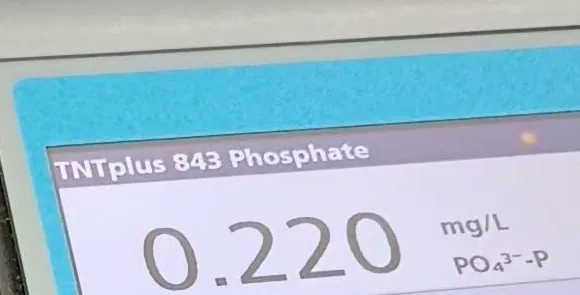
What to measure in a trial
- Total phosphorus and soluble phosphorus
- Sludge production
- Polymer use
- Filtrate and pressate total suspended solids
- Cake solids
- Press throughput
- Hauling loads
Beneficial reuse
Cleaner solids, more reuse options
These are general properties of lanthanum-based rare earth coagulants, plus what the municipal evaluation already reported. They are not a new industrial trial, and they are not a regulatory determination.
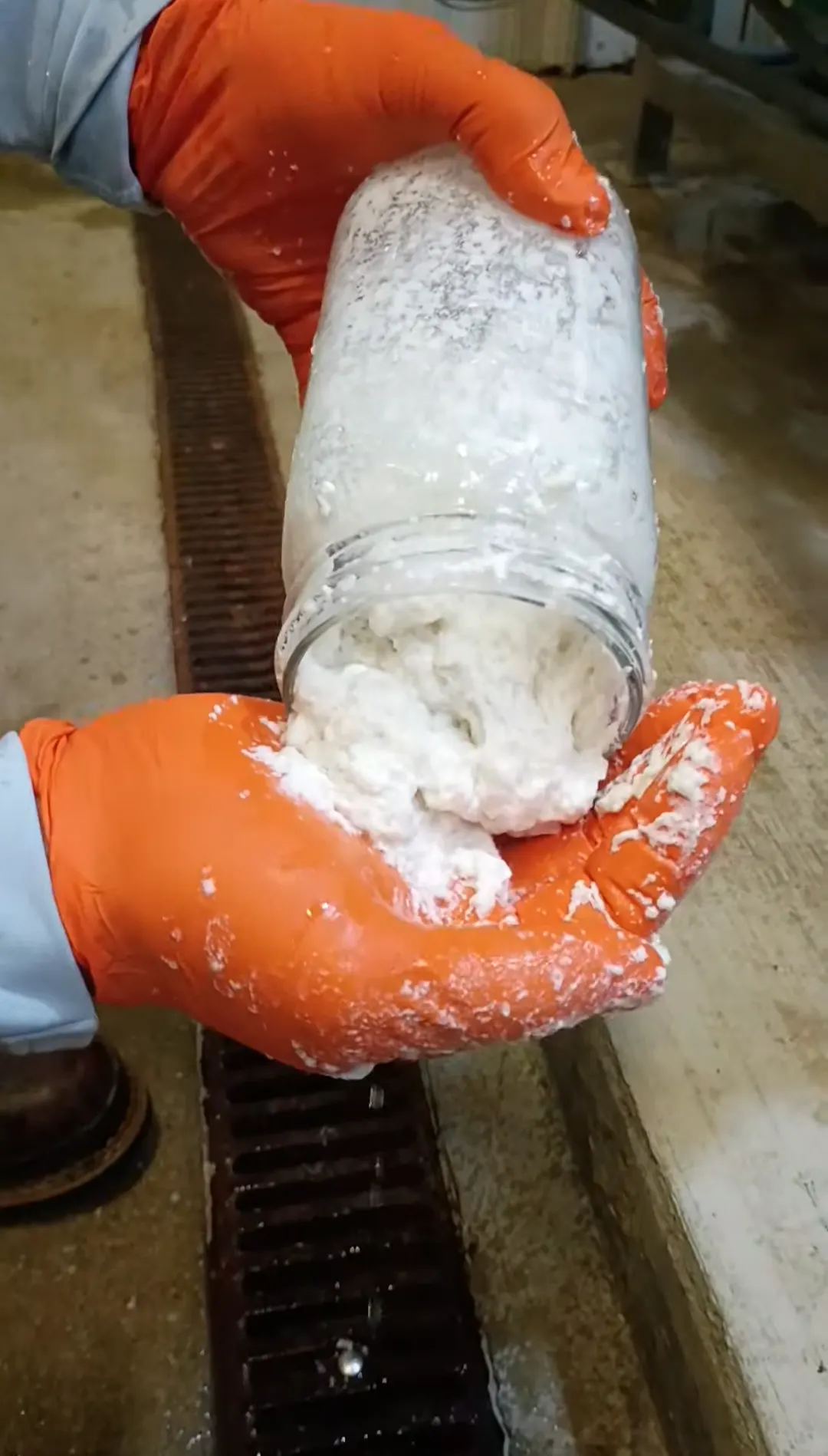
01
Stable phosphate mineral
Lanthanum-based coagulants form a very stable, insoluble lanthanum phosphate, rhabdophane, so phosphorus stays bound in the solids.
02
Less iron and aluminum in the cake
A lower dose of iron or aluminum salt can mean less of those metals in biosolids. That can support land application, composting, and other reuse programs.
03
Fewer inert solids
The municipal trial saw the volatile fraction of mixed liquor rise from 70.3% to 75.4%, which means more active biomass and less inert chemical solids.
04
Recovery, not a promise
Phosphorus held in a stable mineral may open a path toward phosphorus recovery and other circular uses. There is emerging interest in recovering rare earths and phosphorus from solids. Check with your state biosolids program and your regulator. Nothing here is a permit approval or a guarantee.
Independent university research, not a test of USRE300, found the lanthanides they studied showed no sign of genotoxicity and appeared to pose little risk in four in vitro bioassays. Safety and toxicity research.
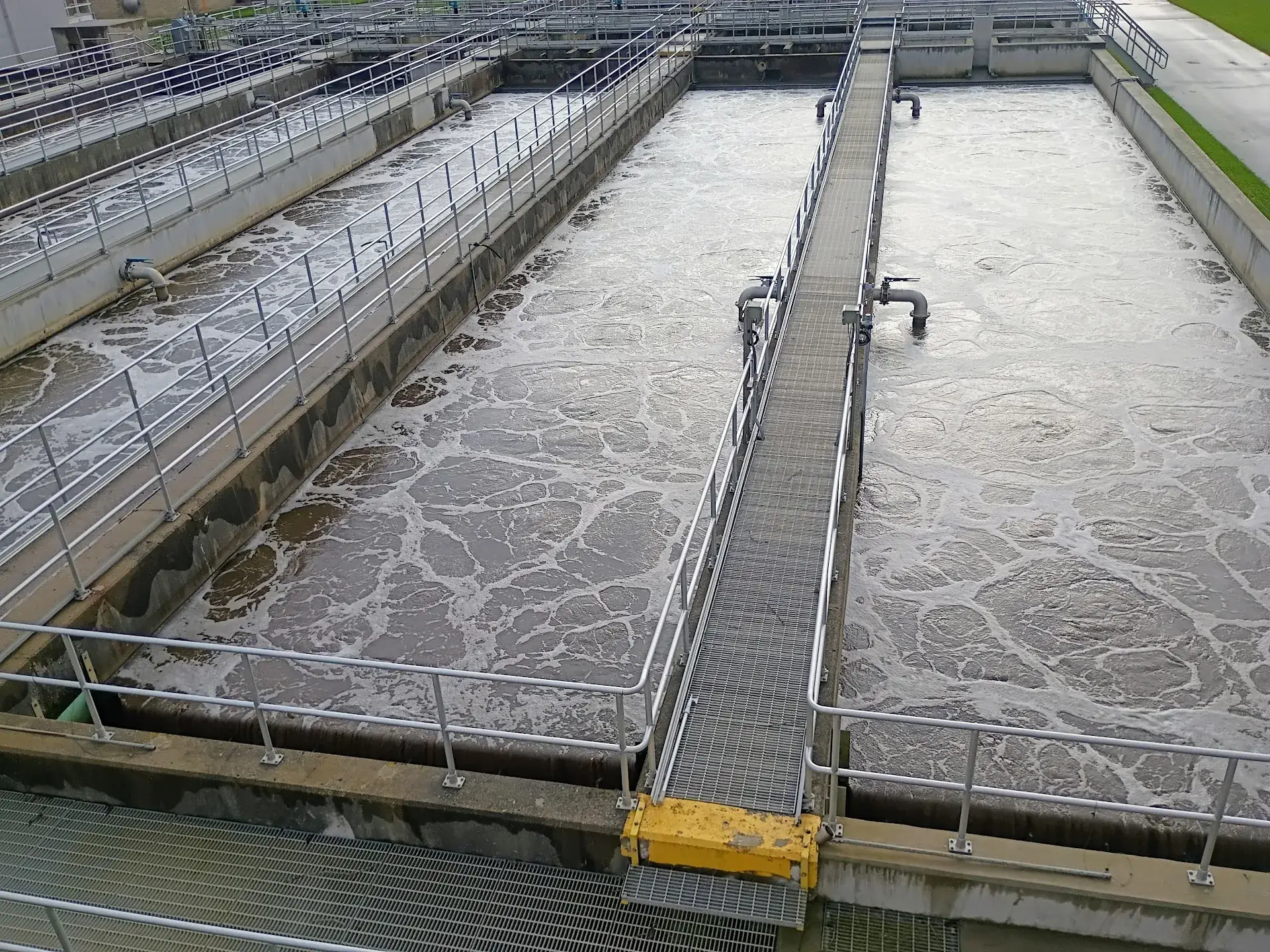
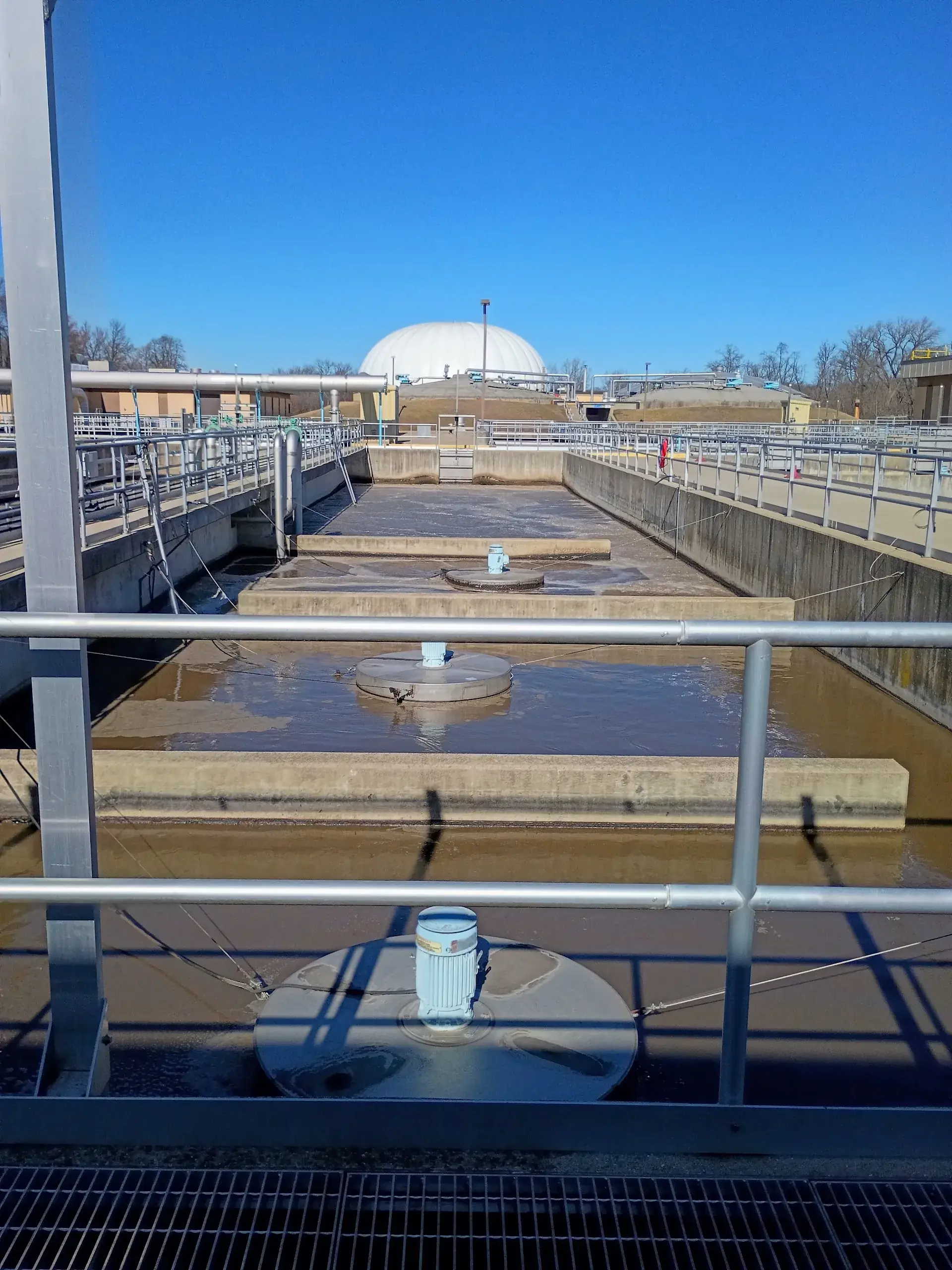
Municipal phosphorus results
Independent evaluations of lanthanum chloride rare earth coagulants. These are not USRE300 test results.
~30 µg/L
Effluent phosphorus held near 0.03 mg/L through the season
~50% less chemical
Total phosphorus-removal chemical volume, per the evaluation summary
~800 dry tons
Less chemical sludge to process in one season
99%
Ammonia removal maintained (99.28% then 99.04%)
6/6
WET tests passed, acute and chronic
Why plants switch from ferric and alum
Low dose, a wide pH range, and less sludge than iron or aluminum salts are the general reasons utilities look at this class of coagulant. The points below are what showed up in the independent lanthanum chloride evaluations, not a claim that every plant will see the same numbers with USRE300.
01
Less chemical to receive
A lanthanum chloride feed can replace a much larger ferric chloride volume at the same point.
02
Less sludge to haul
Lower coagulant volume shows up as less chemical sludge through the season.
03
Easier on the plant
A milder pH means less attack on pumps, pipe, and concrete, and less alkalinity added back for nitrification.
04
Permit phosphorus, without losing nitrification
The membrane plant held a very low effluent phosphorus number while ammonia removal stayed above 99%.
05
Fits the ferric system you have
One full-scale trial reused the ferric storage tank and feed pumps.
06
Alum and ferric are the comparison
Plants look at rare earth coagulants when iron or aluminum salts bring sludge, corrosion, or a narrow operating window.
07
Sodium aluminate and alum can grow the solids
Raising an aluminum-based feed to chase a phosphorus limit makes more aluminum phosphate and hydroxide solids. That can mean more sludge, a heavier inventory, more polymer, more press loading, and more recycle. Operators often see effluent solids go up. Rare earth chemistry can bind phosphate in stable compounds with less chemical solids. That is a potential benefit to measure in a trial, not a guaranteed result.
How to trial USRE300
Step 1
Jar test
Run jars against the iron or aluminum salt you feed now. Compare phosphorus, sludge volume, and pH at the dose you can actually pump.
Step 2
Request a sample
Tell us the plant, the flow, the current coagulant, the phosphorus target, and where to ship.
Step 3
30-day full-scale trial
The IFAS lab evaluation recommended a 30-day trial after jars. That is a practical window for permit data and sludge handling.
Step 4
Pick the feed point for contact time
On the IFAS plant, return activated sludge ahead of the IFAS gave the longest contact. On the membrane plant, the existing ferric feed point was reused. Match the point to where your process can give the coagulant time.
Results from independent municipal evaluations of lanthanum-based rare earth coagulants. Site-specific results vary; jar testing recommended.
Resources
Request a sample
Tell us the plant, where to ship, flow, the coagulant you use now, and the sample size you want.
Request a SampleUSRE Supply
212 Buchanan
Colorado Springs, CO 80907
212 Buchanan, Colorado Springs, CO 80907